
Burt County Arrest Warrants Explained
An arrest warrant in Burt County is court process, not a tip line. A sworn law-enforcement affidavit goes to a judge, and only after that probable-cause review may officers take a person into custody. Nebraska materials describe the filing of the warrant and affidavit in the court file as well. County Court handles preliminary felony proceedings and many misdemeanors. District Court holds the felony-stage records once a case moves up. One caution matters here. A historical case entry alone does not prove the warrant remains active today, so confirm status with the issuing clerk.
Probable Cause in a Burt Case
Nebraska law gives process authority to judges of the county and district courts. A written, signed complaint plus a sworn affidavit supports the probable-cause decision. That judicial review is what separates a real arrest warrant from an online claim that someone is wanted. The statutes behind this chain are §29-403, §29-404, and §29-404.03. They explain process and reasonable cause. They do not create a public Burt County roster of wanted people.
Inside a Burt County Arrest Warrant
Burt County publishes no sample warrant and no local warrant-number format. Start with the case number and the issuing court. The fields below serve as a practical checklist; no public screen promises to display all of them.
| Case identifier | Use the court case number. A local warrant number was not published, so do not invent a code such as 2026-W-0000. |
|---|---|
| Named party | The person named in the filed process, subject to public-access limits. |
| Complaint or offense | The charge or allegation connected to the probable-cause process. |
| Issuing judge and court | County Court or District Court, depending on the case stage. |
| Bond conditions | PR, cash, 10%, corporate surety, or surety options may appear in bond paperwork; amount is case-specific. |
| Issue and service | Look for issue, execution, return, hearing, or recall events in the public file. |
Burt County Sheriff Service Duties
The Burt County Sheriff's duties page covers execution, service, return of process, arrest, jail custody, court attendance, and extradition. City police can also arrest or serve within their own duties. No separate warrant squad, walk-in surrender desk, booking window, or after-hours warrant procedure is listed for Burt County. So keep the question specific. Which court issued the case, what is the case number, and what appearance or bond route does the clerk provide? The existence of a jail tells you nothing about a door, a time, or a payment method.
Burt County Preliminary Hearings
County Court in Burt County handles preliminary felony hearings and many first-stage criminal matters. That does not lock every felony record into County Court files. Once a case moves forward, District Court takes over and the district clerk becomes the record route for the felony-stage file. When a search result looks thin, ask which court issued the process and which clerk holds the register. The Sheriff can confirm enforcement. Only the court can explain the filed case.
Serving Arrest Warrants in Burt County
The Sheriff and local police are the serving and enforcement agencies in Burt County. Nebraska execution statutes cover arrest, prompt service, production before the proper magistrate, and return of the warrant. If you believe an active arrest warrant may carry your name, ask the issuing court about counsel, appearance, and bond before you pick a course of action. Burt County posts no local surrender location, booking time, or bond window. Contact information tells you who to call, not every service detail. A federal warrant is a separate matter entirely. It belongs to the District of Nebraska, PACER, or the U.S. Marshals Service, not the county.
Comparing Arrest, Summons, and Bench Warrants
Three tools do different jobs in a Burt County courtroom. An arrest warrant authorizes custody after probable-cause review. A summons directs a person to appear without any arrest instruction. A bench warrant usually follows a missed appearance or other noncompliance; see bench warrants for that failure-to-appear route.
| Feature | Arrest Warrant | Summons | Bench Warrant |
|---|---|---|---|
| What it orders | Arrest and production before a magistrate. | Appearance on a stated date or instruction. | Arrest or custody response to missed court duty. |
| Basis | Complaint, affidavit, and probable cause. | Charge or case requiring a court appearance. | FTA, nonpayment, contempt, or noncompliance. |
| Who issues it | Judge or magistrate. | Court process under the case. | Judge in the issuing court. |
| Response | Ask about counsel, appearance, and bond. | Appear as directed. | Ask about recall, appearance, bond, or motion. |
Criminal History Is Not Warrant Status
Criminal history and warrant status are not the same thing. The Nebraska State Patrol RAP service is a name-based criminal-history report with a published fee. It is not an active-warrant search. JUSTICE is a court-case system, and it cannot guarantee current enforcement status. For confirmation, the issuing clerk and the Burt County Sheriff are the right offices. Request a defined case number, register entry, affidavit, warrant, return, or recall order from the public file. Ask the office to identify any withholding rule that applies. Keep private names out of public pages.
Federal process is separate. 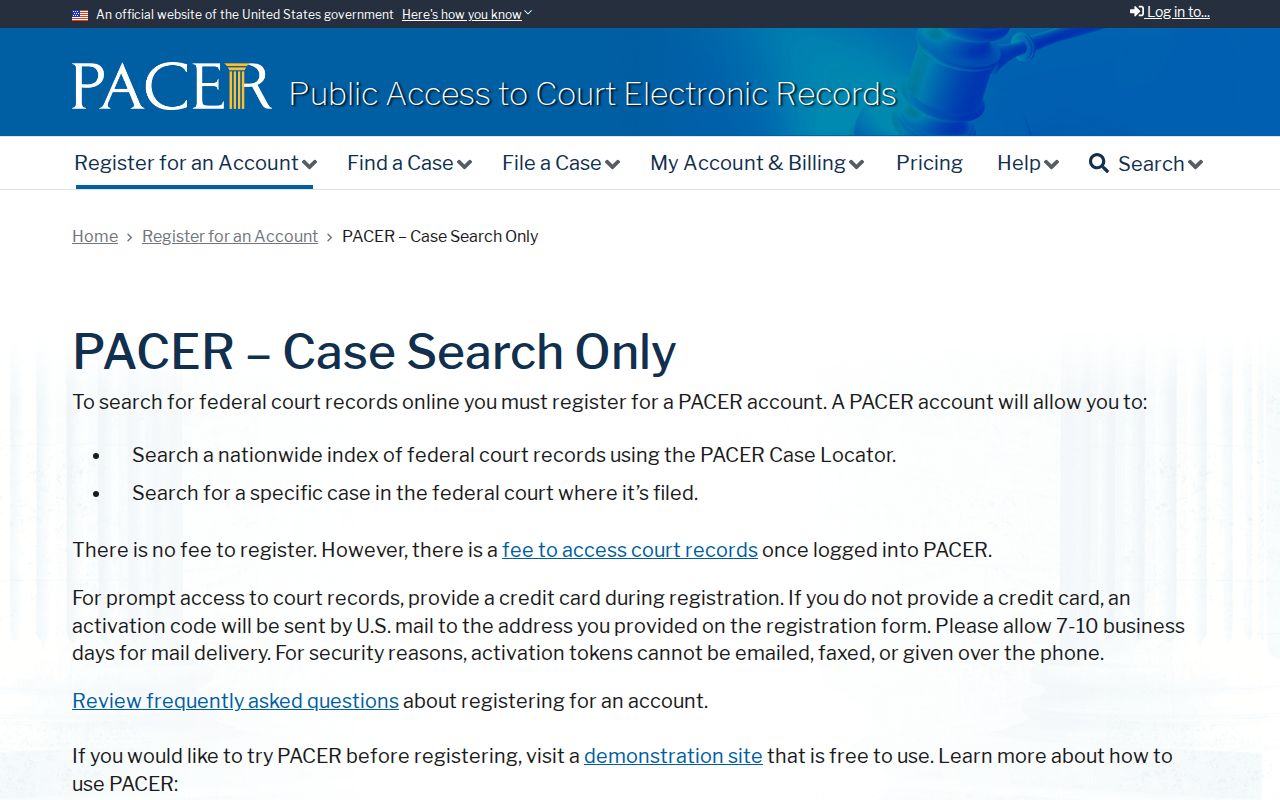 PACER and the District of Nebraska handle federal case records.
Arrest Warrant Records and Public Access
A public arrest-warrant question in Burt County still meets ordinary access limits. A court register may be viewable while juvenile, sealed, confidential, protected, or investigative material stays withheld or redacted. A narrow request works best: name the case, the date, the court, and the record sought. Do not ask the Sheriff or clerk to build a new countywide list. Ask for an existing case entry or document instead, and request the legal basis for any denial.
If There’s an Arrest Warrant for You
If a Burt County arrest warrant names you, confirm the case with the issuing clerk and ask what the court requires. An attorney can help with a voluntary appearance, a motion to recall or quash, and bond planning. The Sheriff can confirm enforcement information. Only the court's order controls the case.
Important: Do not follow an unsolicited payment demand or guess a surrender location; use official court and Sheriff contacts and ask about counsel first.